

How Noise and Light-Control Curtains Improve Workspaces and Performance Environments
In many facilities, controlling sound and light is essential for safety, productivity, and overall comfort. Whether it’s a manufacturing floor, a performance venue, or a multi-purpose facility, excessive noise and uncontrolled lighting can quickly disrupt operations.
Noise-reducing and light-control curtain systems provide a flexible solution that helps facilities create better environments without permanent construction.
The Challenge of Open Industrial and Performance Spaces
Large facilities often rely on open layouts. While this allows equipment, people, and materials to move freely, it also creates challenges when it comes to managing sound and light.
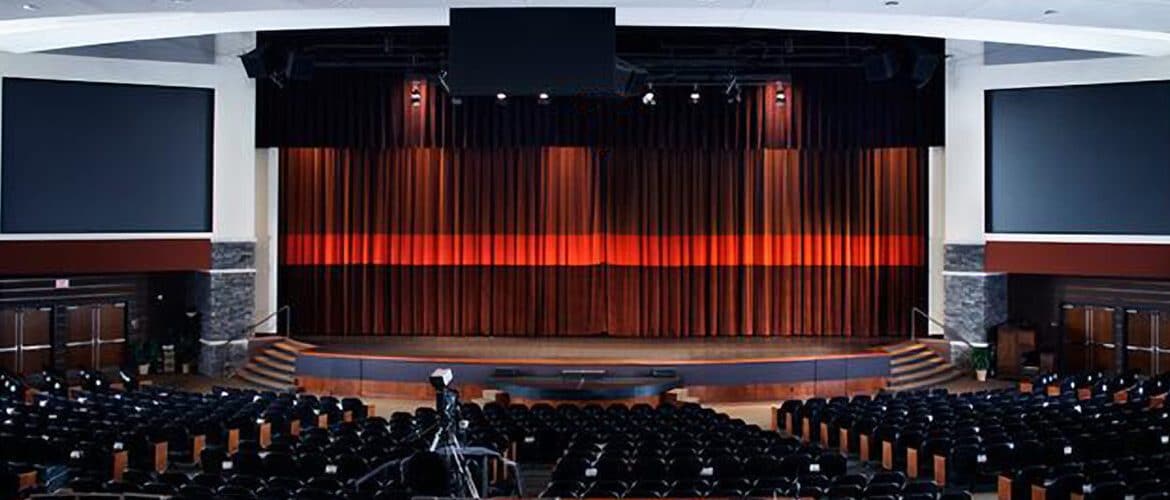
Industrial environments may experience noise from machinery, welding operations, grinding, or fabrication work. In theatres and performance spaces, light control is critical to maintaining visibility and stage presentation.
Without proper barriers, these elements can affect nearby work areas, disrupt communication, and reduce overall efficiency.
How Noise-Reducing Curtains Work
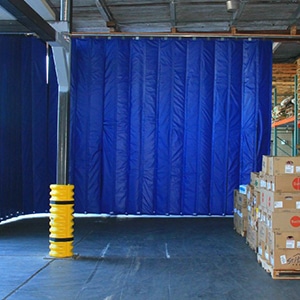
Acoustic curtain systems are designed using specialized materials that absorb and reduce sound waves. While they are not intended to completely eliminate noise, they can significantly reduce sound transfer between spaces.
These systems are often used to:
-
reduce noise between active work zones
-
contain sound from machinery or fabrication areasnd treatment areas
-
create quieter workspaces in shared facilities
-
improve communication and concentration in nearby areas
By dividing large spaces into smaller controlled environments, facilities can operate more efficiently while maintaining a safer and more comfortable workspace.
The Importance of Light Control
Light-blocking curtains serve a different but equally important role. In environments where lighting must be carefully managed, controlling ambient light can make a significant difference.
For example, performance spaces rely on proper light control to ensure stage lighting works effectively. Similarly, industrial environments may require controlled lighting conditions for specific processes or visual tasks.
Light-control curtains help:
-
block outside light sources
-
create darkened environments when needed
-
improve visibility for stage lighting or projection
-
prevent light spill into adjacent work areas
These systems allow spaces to adapt quickly depending on operational needs.
Flexible Solutions for Changing Environments
One of the biggest advantages of curtain systems is flexibility. Unlike permanent walls, curtain systems can open or close as needed, allowing facilities to adjust their layout throughout the day.
This makes them especially useful in environments where multiple activities occur in the same space. A facility can isolate noise-producing operations when needed, then reopen the space for other uses later.
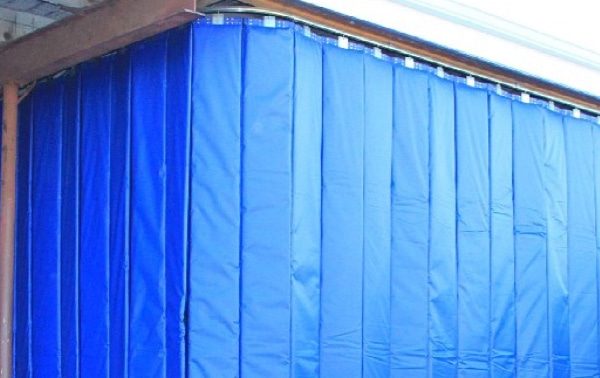
Track systems also allow curtains to follow complex layouts, making it possible to work around columns, equipment, or existing structures.
A Practical Alternative to Permanent Construction
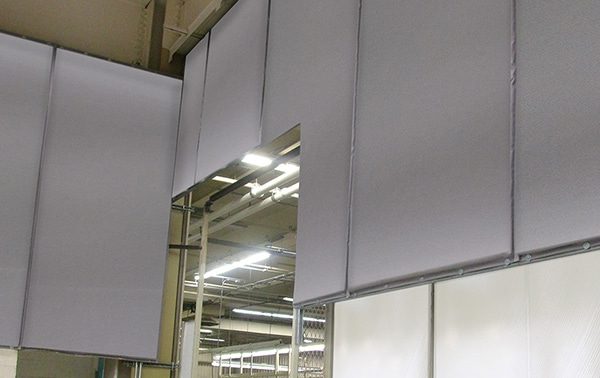
Building permanent partitions can be expensive and disruptive. Curtain systems provide a practical alternative that installs quickly and requires minimal changes to the facility.
They offer a cost-effective way to improve working conditions while maintaining the flexibility that many modern facilities require.
Supporting Safer, More Efficient Facilities
Noise and light control are often overlooked aspects of facility design, but they play an important role in how effectively a space operates.
Whether used in industrial environments, performance venues, or multi-purpose facilities, noise-reducing and light-control curtains help create more functional spaces that support both productivity and safety.
With the right materials and proper installation, these systems become an integral part of how facilities manage their environment.


