

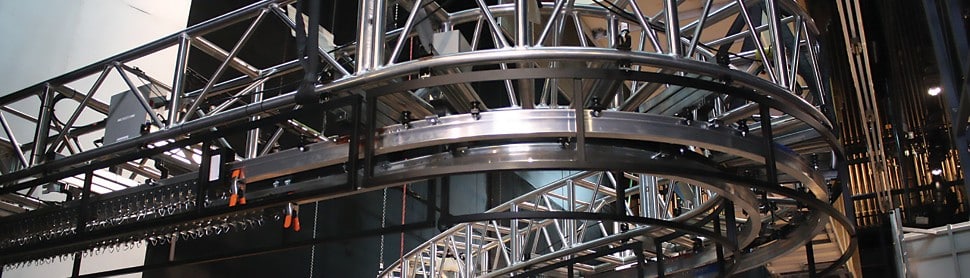
Why Track Systems Matter More Than the Curtain Itself
When people think about curtains in theatres, hospitals, or industrial spaces, the focus is almost always on the fabric. Colour, material, and function tend to get the attention, but one of the most important components is often overlooked: the track system.
A well-designed track system is what allows everything to function smoothly, safely, and efficiently over time.
The Foundation of Every Curtain System
No matter the application—stage drapery, cubicle curtains, or industrial dividers—the track system is what supports daily use. It determines how easily curtains open and close, how they hold up under weight, and how long the system lasts.
Poorly designed or installed tracks can lead to issues like:
-
difficult operation
-
uneven movement or bunching
-
premature wear and tear
-
Event venues and community centres
-
increased maintenance costs
A properly engineered track system eliminates these problems before they start.
Built for the Application
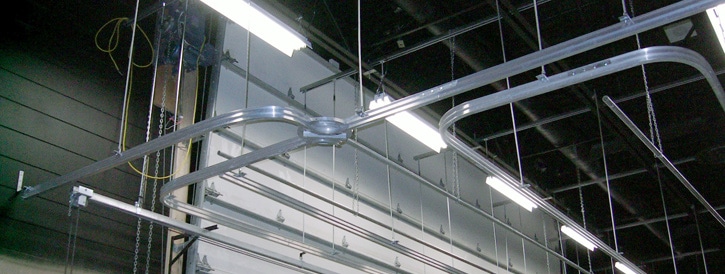
Not all track systems are the same. Different environments require different levels of strength, flexibility, and configuration.
In healthcare settings, tracks need to move quietly and reliably while allowing quick access for staff. In theatres, they must support heavier drapery and operate smoothly for performances. Industrial environments often require heavy-duty systems that can handle large curtain spans and frequent use.
Choosing the right system means understanding how the space will be used every day—not just how it looks on installation day.
Flexibility in Design
One of the biggest advantages of modern track systems is their flexibility. Tracks can be designed to follow straight lines, curves, or complex layouts to fit the exact shape of a room.
This is especially important in:
-
hospital rooms and treatment areas
-
multi-use gymnasiums
-
performance spaces with unique stage layouts
-
industrial facilities with equipment or structural constraints
A custom track layout ensures the curtain system works with the space—not against it.
Installation Makes the Difference
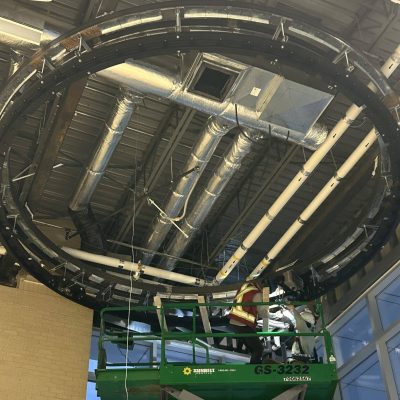
Even the best track system won’t perform properly if it isn’t installed correctly. Ceiling structure, weight distribution, and alignment all play a role in how the system functions long-term.
Professional installation ensures:
-
proper support and load handling
-
smooth, consistent operation
-
reduced maintenance over time
-
long-term durability
It’s one of the most important steps in the entire process—and one that should never be rushed.
Long-Term Performance
Curtain systems are used daily, often multiple times a day. Over time, small issues with tracks can turn into larger problems that affect operations.
Investing in a high-quality track system from the start helps reduce downtime, maintenance costs, and user frustration. It also ensures the curtain system continues to perform as expected years after installation.
More Than Just Hardware
Track systems may not be the most visible part of a curtain installation, but they are one of the most important. They support the entire system, impact daily usability, and play a major role in long-term performance.
At QSD, every curtain system is designed with the full picture in mind—from track layout and hardware to fabric selection and installation. Because when everything works together properly, the result is a system that performs reliably day after day.


